Why we began
The project started because the 2014 Museum of Islamic Art bombing closed the building for three years and there was no English-language source maintaining its reopening schedule.
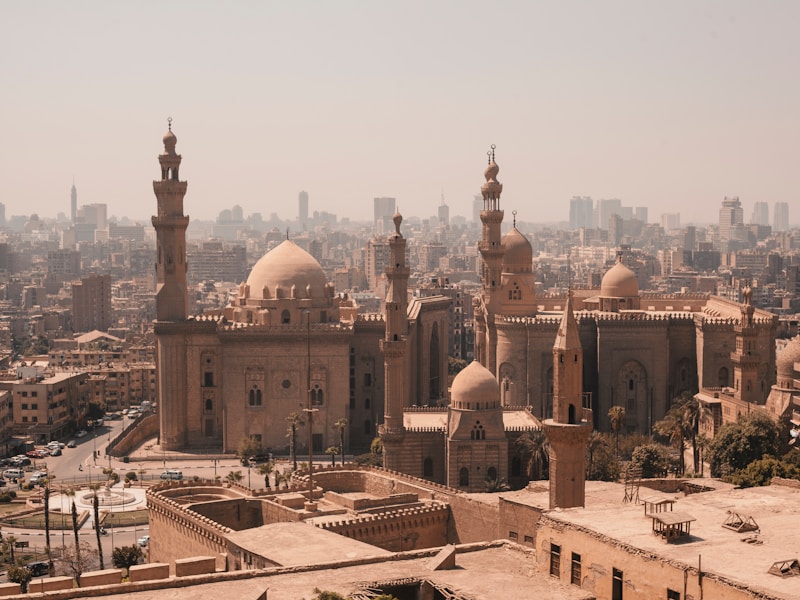
In January 2014 a vehicle bomb exploded outside the Cairo Security Directorate, immediately opposite the Museum of Islamic Art on Bab El-Khalq Square. The blast caused severe damage to the museum's facade, its display cases, and a substantial part of its collection on the first floor. The museum closed indefinitely. Over the following months, with the building under emergency restoration, the lack of any maintained English-language source on the project — what was being restored, what was lost, when the museum might reopen, what could be visited in the wider Islamic Cairo precinct in the meantime — became a recurring topic of complaint among the academic community in Cairo and abroad.
The founding meeting of the desk took place in a café on Sharia El-Manial in early October 2014. Dr. Khalil Abdelhamid, a former assistant curator at the Museum of Islamic Art who had been part of the post-bombing damage assessment, proposed a small editorial reference site that would maintain accurate, dated, English-language information on the seven principal museums and historic houses of Islamic and Coptic Cairo. Ines Lebret, a French-Egyptian translator who had edited the bilingual Bayt Al-Suhaymi restoration catalogue published in 2000, agreed to handle Arabic and French translation. Wael Boutros, an architectural historian working with the American Research Center in Egypt's Sabil Restoration project, joined as the third editor in early 2015.
The first edition went online under the working name Suhaymi Notes in late October 2014, with three files: Bayt Al-Suhaymi, Gayer-Anderson House, and Manial Palace (the three institutions that remained open while the Museum of Islamic Art was under restoration). Coverage expanded to the Coptic Museum in 2015, the Al-Mu'izz Street circuit in 2016, and finally the Museum of Islamic Art file went live in early 2017 to coincide with the museum's phased reopening.