Suhaymi Archive
El-Manial · Islamic Cairo · since 2014

The Islamic and Coptic museums of Cairo — written by an editorial desk that walks them every month.

Suhaymi Archive is a small editorial reference desk on the Manial island, dedicated to the dozen museums and historic houses that make up the visible heritage of Islamic and Coptic Cairo. We do not run tours. We publish a maintained, dated reference covering the Museum of Islamic Art, the Coptic Museum, the Gayer-Anderson House, the Manial Palace, the Bayt Al-Suhaymi (our namesake), and the pedestrian Al-Mu'izz Street circuit — with the supporting Sennari House in the footer.

7 museums + houses tracked
12 yrs of continuous quarterly publication
3 working languages: English, Arabic, French
Six in the navigation, one in the footer

Seven institutions that map the visible heritage of pre-modern Cairo.

Each file below is a maintained working reference with a dated last-verified line, current opening hours, the practical visit logistics, the Arabic signage at the entrance for travellers without local Arabic, and a public change log. The structure is uniform on purpose — it makes the differences between files visible.

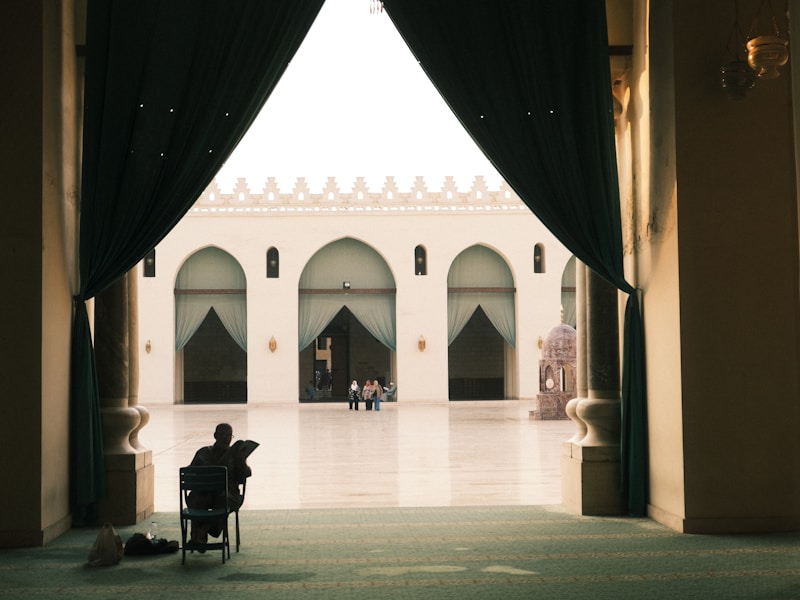
Mihrab niche and ceramic tiles in the Museum of Islamic Art
Bab El-Khalq · main collection

Museum of Islamic Art

The principal Islamic-art museum in Cairo, holding approximately 4,400 objects on display from a collection of roughly 100,000. Reopened in stages between 2017 and 2022 after the 2014 bombing damage. The standard visit anchor for any Islamic-Cairo trip.

Open the file
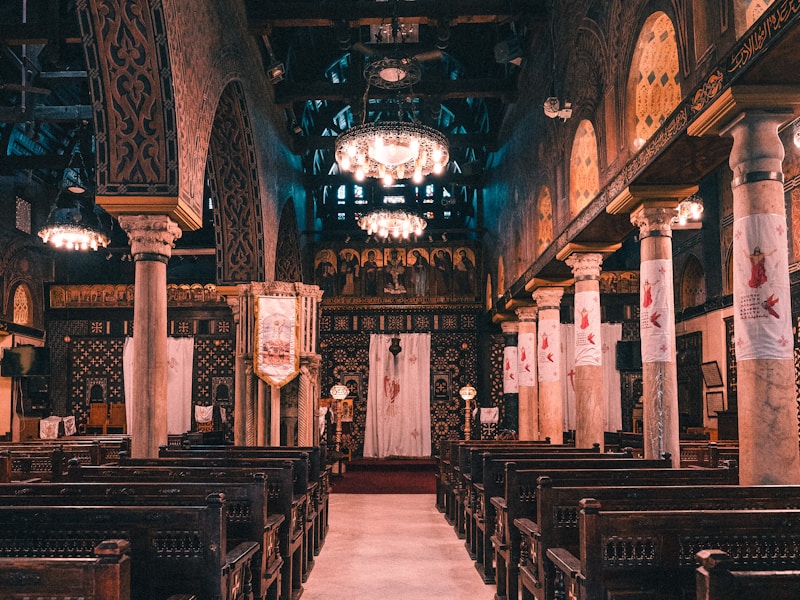
Painted wood ceiling and icon panels at the Coptic Museum in Mar Girgis
Mar Girgis · Coptic Cairo

Coptic Museum

The world's largest collection of Coptic and early-Christian Egyptian material, displayed in two purpose-built buildings adjacent to the Hanging Church. Standing-out holdings: the Nag Hammadi library codices, the textile gallery, and the Fayyum portraits.

Open the file
Mashrabiya-screened courtyard of the Gayer-Anderson House next to Ibn Tulun Mosque
Ibn Tulun · house museum

Gayer-Anderson House

Two combined Ottoman-era houses (the Beit el-Kritliyya, 1631, and the Beit Amna bint Salim, 1540) next to the Ibn Tulun Mosque, with furnishings as left by the British major-general R.G. Gayer-Anderson who lived here from 1935 to 1942.

Open the file
Decorated reception hall of the Manial Palace on Roda island
El-Manial · palace museum

Manial Palace

The early-20th-century palace complex of Prince Mohamed Ali Tewfik, on the Roda island. Five separate pavilions (Throne, Reception, Residence, Hunting, Private Museum) in mixed Andalusian-Ottoman-Persian style. Our nearest neighbour, a few hundred metres from the desk.

Open the file
Inner courtyard of Bayt Al-Suhaymi on Al-Darb Al-Asfar street
Al-Darb Al-Asfar · Ottoman house

Bayt Al-Suhaymi

A 17th-century Ottoman merchant's house on the side street off Al-Mu'izz, beautifully restored 1996–2000 by the Italian-Egyptian conservation programme. The clearest worked example of pre-modern Cairene domestic architecture open to the public. Our namesake.

Open the file
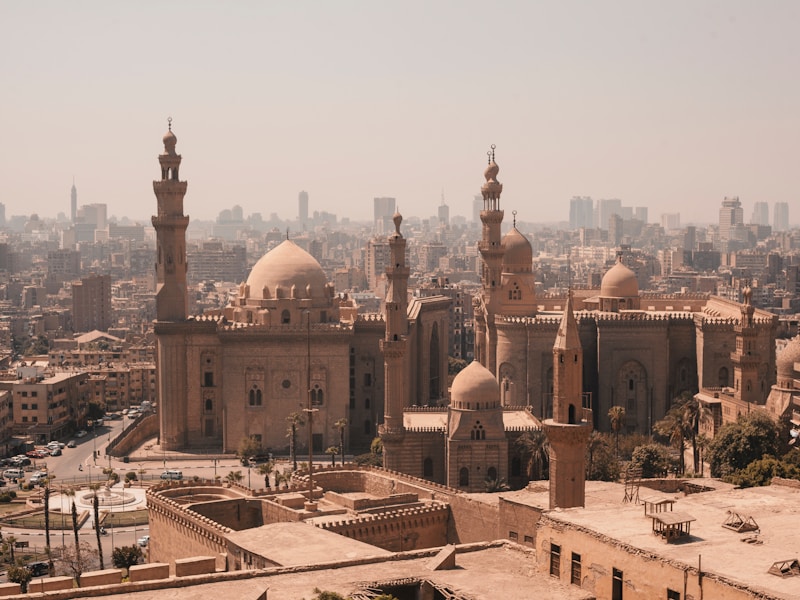
Pedestrian Al-Muizz Street with the minaret of Qalawun complex
Al-Mu'izz Street · pedestrian circuit

Al-Mu'izz Street walking route

The medieval main street of the Fatimid city, pedestrianised since 2007 from Bab Al-Futuh to Bab Zuwayla. Approximately 1.2 kilometres of standing monuments — Qalawun, Barquq, Al-Nasr Muhammad, Al-Ghuri — and our recommended single-day Islamic Cairo orientation walk.

Open the file
Method

A four-step verification cycle, on a 90-day rotation.

Most published English-language material on Islamic Cairo is recycled from the 1990s travel-guide standards, which were themselves recycled from the 1960s academic literature. We do field work, in person, with the SCA inspectorates and the curatorial offices, every quarter. The cycle below is what we have used since the desk was founded in October 2014.

Step i

Walk it

An editor visits every covered institution at least once every 90 days. The visit is paid for at the published ticket price; we do not accept curatorial complimentary admission.

Step ii

Curator check

After each on-site visit we follow up with the curatorial office about any closed gallery, conservation work, or rotation of items. The conversations are documented with dated minutes in the desk record.

Step iii

Bilingual translate

Arabic-language SCA bulletins on opening hours, ticket changes and gallery rotations are translated into English on the public file the same day they are issued. Earlier translations remain in the change log.

Step iv

Date and sign

Every claim on every page carries the date it was verified and the editor's signature. The change log at the foot of each file is append-only; corrections appear as new entries.

Why us

A desk in El-Manial that picks up the phone in three languages and walks to the Manial Palace in seven minutes.

The Suhaymi Archive was founded in October 2014 by a former assistant curator at the Museum of Islamic Art, joined in 2015 and 2016 by an architectural historian from the American Research Center in Egypt and a French-Egyptian translator who had previously edited the Bayt Al-Suhaymi restoration catalogue. The three of us live within walking distance of each other on the Roda and Manial islands, and our principal subjects of editorial concern are within twenty minutes' drive or thirty minutes' walk in every direction.

  • Local desk. Office hours Sunday through Thursday, 09:00–16:00 Cairo time. Reply window: one business day, in English, Arabic or French.
  • No commission income. Pages carry no display advertising and no affiliate links. We do not earn from any guide, tour operator or hotel mentioned anywhere on the site.
  • Three editors. Three full-time editorial staff plus a rotating two-person contributor bench. Names on every dated entry.
  • Verifiable. Subscribers can request the dated field photograph for any single published claim on any file. We have honoured every such request since 2018.
The Suhaymi Archive editorial office on Manial island
12 Years of continuous publication since the El-Manial desk opened in October 2014.
~380 Field visits logged across the seven institutions between 2014 and the end of last quarter.
3 Resident editors on the desk plus two outside contributors on rotating two-year terms.
34 Bilingual reference monographs published in the subscriber archive on individual buildings and collections.
Who reads us

Subscribers tend to fall into three groups.

The three notes below come from active subscribers quoted with permission. They give a fair picture of who the archive serves and who it does not.

When the Museum of Islamic Art rehung its main gallery in 2024, the desk had a translated explanation of which cases were moved and which had been removed for conservation up within 72 hours. No other English-language source had it.

Dr. Anita Vesna Jovanović Islamic art history, University of Vienna

I plan small architectural-history trips for retired academics. The Gayer-Anderson and Bayt Al-Suhaymi files are the only working English references I trust on access procedure and the recent restoration work.

James Halloway-Smith Senior tour director, Cambridge specialist trips

For Coptic-museum specialists the desk's bilingual translation of the conservation bulletin from the Mar Girgis curatorial office is uniquely valuable. We use it as a teaching resource at the graduate seminar.

Père Yannis Stamatakis Greek Patriarchate of Alexandria, Coptic studies seminar
Common questions

Six things readers ask before paying for the first month.

Why only Islamic and Coptic Cairo? Don't you cover the rest of Egypt?
No. The Islamic and Coptic museum corpus is its own coherent body of material with its own academic literature and its own institutional network in Cairo. A small editorial desk that tries to cover the Egyptian Museum, the National Museum of Egyptian Civilization, the regional museums and the Sinai sites in parallel ends up covering nothing well. We stay focused on what we can verify on foot from El-Manial.
Do I need Arabic to use the files on the ground?
No. Every file carries an "On the ground" block with the Arabic signage you will see at the entrance and the ticket office, transliterated and translated. The museum and house labels are bilingual Arabic-English in every institution we cover. Children pick up greetings quickly and the staff are warmly welcoming.
Can you arrange access to the curatorial reserves?
No. The reserves of the Museum of Islamic Art and the Coptic Museum are accessed by application through the relevant curatorial office under research-credential review. What the desk can do is tell you the current contact, the standard application format, and the recent reply window; subscribers at the Library and Field tiers receive that information automatically.
How often do the public files actually change?
Each file carries a visible "Last verified" date and is reviewed at least every 90 days. Closures and reopenings are typically logged within 48 hours. Pricing changes for SCA-administered museums are reviewed every quarter and posted as soon as the bulletin is issued.
Can I subscribe for one month?
Yes, at the Reader and Library tiers. The Field tier is six months minimum because of the printed quarterly Curator's Notebook shipped from a small Cairo printer. All three tiers are explained on the pricing page.
Do you organise tours?
No. We do not run, sell, or commission tours. We maintain a private shortlist of licensed Cairo guides who have worked with our editors over the years; Library and Field subscribers receive the shortlist on request. We do not take referral fees from anyone on the list.

Open one file in full and decide.

The Museum of Islamic Art file and the Bayt Al-Suhaymi file are the two longest. Either is a fair test of whether the rest of the archive is worth the monthly fee.